Investing in employee well-being is no longer a perk; it’s a strategic imperative. Corporate wellness programs are evolving beyond simple gym memberships, encompassing holistic approaches to physical, mental, and financial health. This guide explores the design, implementation, and measurement of effective wellness initiatives, examining various program types and addressing common challenges.
From stress reduction techniques and mindfulness practices to innovative technology and data-driven analysis, we delve into the multifaceted world of corporate wellness. We’ll explore the significant return on investment (ROI) these programs offer, demonstrating their positive impact on employee productivity, engagement, and overall organizational success. The goal is to equip you with the knowledge to build a thriving wellness program tailored to your organization’s unique needs.
Defining Corporate Wellness Programs
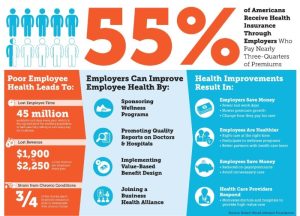
Corporate wellness programs are proactive initiatives designed to improve the health and well-being of employees. These programs go beyond simply offering health insurance; they aim to create a supportive work environment that encourages healthy habits and fosters a culture of well-being, ultimately benefiting both the employee and the employer. A successful program integrates various strategies to address physical, mental, and emotional health.Core Components of Successful Corporate Wellness ProgramsSuccessful corporate wellness programs are built upon several key components.
A holistic approach is crucial, encompassing physical, mental, and financial well-being. Programs should be tailored to the specific needs and demographics of the workforce, offering a variety of options to appeal to diverse interests and preferences. Regular communication and engagement are essential to keep employees informed and motivated. Finally, effective measurement and evaluation are critical to track progress, identify areas for improvement, and demonstrate the program’s return on investment.
Types of Wellness Programs
Companies offer a wide range of wellness programs, each designed to address different aspects of employee well-being. Some common examples include health screenings (blood pressure, cholesterol checks), on-site fitness centers or gym memberships, health education workshops (nutrition, stress management), employee assistance programs (EAPs) for mental health support, financial wellness workshops (budgeting, debt management), and wellness challenges (step counts, healthy eating competitions).
For instance, Google offers on-site gyms, healthy food options in cafeterias, and mindfulness programs. Similarly, Patagonia provides generous paid time off for outdoor activities and supports employee volunteering initiatives.
Best Practices for Designing and Implementing Wellness Initiatives
Effective design and implementation are paramount to the success of any corporate wellness program. The program should align with the company’s overall values and culture. It’s important to involve employees in the design process to ensure the program meets their needs and preferences. A phased rollout allows for adjustments based on initial feedback. Utilizing technology, such as wellness apps or online portals, can enhance accessibility and engagement.
Regular evaluation and adjustments are crucial to optimize the program’s effectiveness over time. For example, a company might start with a basic health screening program and gradually add more comprehensive offerings based on employee feedback and data analysis.
Return on Investment (ROI) of Corporate Wellness Programs
Investing in employee wellness yields significant returns for companies. Improved employee health leads to reduced healthcare costs, lower absenteeism and presenteeism (being at work but not fully productive), increased productivity and engagement, and improved employee retention. Studies have shown a positive correlation between wellness programs and a reduction in healthcare claims. For example, a study by the RAND Corporation found that comprehensive wellness programs can generate a return of $3 to $6 for every dollar invested.
Furthermore, improved employee morale and job satisfaction translate into a stronger company culture and enhanced brand reputation, attracting and retaining top talent. These intangible benefits, while difficult to quantify directly, significantly contribute to the overall ROI of a well-designed and implemented wellness program.
Types of Wellness Initiatives
Corporate wellness programs encompass a wide range of initiatives designed to improve the physical, mental, and financial well-being of employees. A holistic approach, incorporating diverse programs, often yields the most significant and lasting positive impact on employee health and productivity. Effective programs cater to individual needs and preferences, recognizing that a one-size-fits-all approach is rarely successful.
Comparison of Wellness Program Types
The following table compares and contrasts several common types of corporate wellness programs. Understanding the distinctions helps organizations tailor their offerings to best meet the needs of their workforce.
| Program Type | Focus | Examples | Benefits |
|---|---|---|---|
| Physical Wellness | Improving physical health through exercise and healthy habits. | On-site gym memberships, fitness classes, health screenings, weight management programs, ergonomic assessments. | Reduced healthcare costs, increased productivity, improved employee morale, decreased absenteeism. |
| Mental Wellness | Promoting mental health and reducing stress and anxiety. | Stress management workshops, mindfulness and meditation programs, employee assistance programs (EAPs), mental health awareness campaigns. | Improved mood, reduced stress levels, increased job satisfaction, better decision-making, improved resilience. |
| Financial Wellness | Improving financial literacy and well-being. | Financial planning workshops, debt management resources, retirement planning assistance, budgeting tools. | Reduced financial stress, improved financial security, increased employee engagement, better long-term financial planning. |
| Social Wellness | Fostering a positive and supportive work environment. | Team-building activities, social events, volunteer opportunities, mentorship programs. | Improved communication, stronger teamwork, increased sense of belonging, enhanced morale. |
Stress Reduction Program: Mindfulness and Meditation
This program focuses on teaching employees practical stress reduction techniques, primarily through mindfulness and meditation practices. The program will incorporate guided meditation sessions, mindfulness exercises, and educational materials on stress management. The goal is to equip employees with tools to manage stress effectively in their daily lives, both at work and at home. The program will be delivered through a combination of group workshops, online resources, and individual coaching sessions, as needed.
Benefits of Mindfulness and Meditation in Corporate Wellness
Incorporating mindfulness and meditation into a corporate wellness program offers significant benefits. Mindfulness practices cultivate present moment awareness, reducing rumination on past events or anxieties about the future. This leads to decreased stress levels, improved focus and concentration, and enhanced emotional regulation. Meditation, a core component of mindfulness, promotes relaxation, reduces blood pressure, and improves sleep quality.
Studies have shown that regular mindfulness and meditation practice can lead to increased productivity, improved job satisfaction, and reduced burnout. These benefits translate into a healthier, more engaged, and more productive workforce.
Resources for Employee Wellness Needs
Providing readily accessible resources is crucial for the success of any wellness program. Employees need to know where to turn for help with various wellness needs.A comprehensive resource list should include:
- Employee Assistance Program (EAP): Provides confidential counseling and support services for employees and their families.
- Health Insurance Provider Information: Details on coverage, benefits, and how to access care.
- Mental Health Resources: Contact information for therapists, counselors, and support groups.
- Financial Wellness Resources: Links to budgeting tools, financial planning resources, and debt management services.
- Physical Wellness Resources: Information on gym memberships, fitness classes, and health screenings.
- Internal Wellness Contacts: Names and contact information for program coordinators or HR representatives.
Measuring the Effectiveness of Wellness Programs
Evaluating the success of a corporate wellness program requires a multifaceted approach, moving beyond simple participation rates to assess genuine impact on employee well-being and organizational outcomes. A robust evaluation strategy allows for data-driven adjustments, ensuring the program remains relevant, engaging, and delivers a strong return on investment.
Methods for Evaluating Program Impact
Effective evaluation utilizes a blend of quantitative and qualitative methods. Quantitative methods involve measuring numerical data, providing objective insights into program effectiveness. Qualitative methods, on the other hand, delve into employee experiences and perceptions, offering a richer understanding of the program’s impact. Combining both approaches offers a comprehensive picture. For example, tracking absenteeism rates (quantitative) alongside employee feedback on program satisfaction (qualitative) provides a more complete assessment.
Key Metrics for Tracking Success
Several key metrics provide crucial data points for assessing wellness program success. These include:
- Participation Rates: The percentage of eligible employees participating in program activities. Low participation suggests potential issues with program accessibility, relevance, or promotion.
- Health Risk Reduction: Changes in key health indicators such as blood pressure, cholesterol levels, BMI, and smoking cessation rates. Significant improvements demonstrate the program’s positive impact on employee health.
- Absenteeism and Presenteeism: Tracking changes in employee sick days (absenteeism) and reduced productivity while at work (presenteeism). Reductions in both indicate improved employee health and well-being.
- Employee Engagement and Satisfaction: Measuring employee satisfaction with the program through surveys and feedback sessions. High satisfaction correlates with increased participation and program effectiveness.
- Healthcare Cost Savings: Analyzing changes in healthcare claims and costs following program implementation. Reductions in these costs demonstrate a positive return on investment.
- Productivity Improvements: Measuring changes in employee productivity, such as output, efficiency, and project completion rates. Improved productivity indicates a positive impact on the organization’s bottom line.
Analyzing Employee Participation Rates and Feedback
Analyzing participation rates involves identifying trends and patterns. Low participation might indicate a need for improved communication, more flexible program options, or a more targeted approach to specific employee demographics. Employee feedback, gathered through surveys, focus groups, or individual interviews, provides valuable insights into program strengths and weaknesses. This feedback should be used to make necessary adjustments to enhance program effectiveness and address any identified shortcomings.
For instance, if feedback reveals a lack of convenient program times, adjustments to scheduling can be made.
Examples of Successful Case Studies
Many organizations have demonstrated the positive impact of well-designed wellness programs. For example, Johnson & Johnson’s comprehensive wellness program, which includes health screenings, education, and incentives, has been linked to significant reductions in healthcare costs and improved employee health outcomes. Similarly, companies like Google, with their on-site fitness centers and health initiatives, have reported improved employee morale and productivity.
These case studies highlight the importance of a holistic approach that addresses multiple aspects of employee well-being and integrates wellness initiatives into the overall company culture. The success of these programs often hinges on leadership support, employee engagement, and a data-driven approach to continuous improvement.
Ultimately, successful corporate wellness programs are not merely about offering benefits; they are about cultivating a culture of health and well-being. By thoughtfully designing and implementing comprehensive initiatives, organizations can foster a more engaged, productive, and resilient workforce. The journey towards a healthier and happier workplace is an ongoing process of adaptation and improvement, requiring continuous evaluation and refinement to truly maximize its impact.
Prioritizing employee well-being is an investment in the future success of the company itself.
General Inquiries
What is the ideal budget for a corporate wellness program?
The ideal budget varies greatly depending on company size, program scope, and employee demographics. Start with a needs assessment and prioritize initiatives based on employee feedback and ROI potential.
How do I measure the success of my wellness program?
Track key metrics such as participation rates, employee feedback (surveys, focus groups), healthcare cost reductions, absenteeism rates, and productivity improvements. Consider both quantitative and qualitative data.
How do I address employee privacy concerns related to health data?
Ensure compliance with relevant data privacy regulations (e.g., HIPAA). Be transparent with employees about data collection, usage, and security measures. Anonymize data whenever possible.
What if employees don’t participate in the wellness program?
Address resistance proactively. Offer incentives, provide flexible options, promote the program’s benefits through clear communication, and personalize the experience to meet diverse needs.