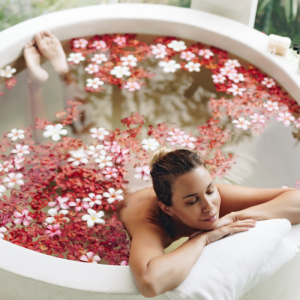
Mindfulness wellness retreats offer a unique opportunity to escape the everyday stresses of modern life and reconnect with oneself through intentional practices. These retreats blend various techniques, from meditation and yoga to nature immersion, creating a holistic approach to well-being. They cater to a diverse audience seeking stress reduction, improved mental clarity, and enhanced emotional regulation, offering a pathway to a more balanced and fulfilling life.
The growing popularity of these retreats reflects a broader societal shift towards prioritizing mental and physical health. This guide explores the core components of mindfulness wellness retreats, their benefits, market trends, and practical considerations for both participants and organizers. We’ll delve into the nuances of designing effective retreats and compare them to ongoing wellness programs, ultimately providing a comprehensive understanding of this transformative experience.
The Market for Mindfulness Wellness Retreats

The market for mindfulness wellness retreats is experiencing significant growth, driven by increasing awareness of mental health and well-being, coupled with a desire for authentic and transformative travel experiences. This burgeoning sector represents a confluence of several powerful trends within the broader wellness tourism industry, impacting demographics, pricing, location choices, and marketing strategies.
Key Trends in Mindfulness Wellness Tourism
The wellness tourism industry is witnessing a shift towards experiences that prioritize mental and emotional well-being, moving beyond purely physical fitness goals. Mindfulness retreats are at the forefront of this trend, appealing to individuals seeking stress reduction, improved self-awareness, and personal growth. Specific trends include a rise in demand for personalized retreats catering to diverse needs and preferences, an increasing integration of technology (e.g., mindfulness apps, virtual reality experiences), and a growing focus on sustainability and eco-conscious practices within retreat settings.
The incorporation of evidence-based mindfulness techniques and the presence of qualified instructors are also becoming increasingly important differentiators.
Demographics of Mindfulness Retreat Participants
Mindfulness retreats attract a diverse demographic, but certain segments are particularly prominent. The typical participant often falls within the 35-55 age range, with a higher-than-average disposable income. However, the market is expanding to include younger individuals and those from a wider range of socioeconomic backgrounds. Many participants are highly educated professionals experiencing burnout or seeking work-life balance.
A significant portion also includes individuals actively managing stress, anxiety, or other mental health challenges. Furthermore, there’s a growing interest among couples and groups seeking shared experiences focused on personal growth and relationship enhancement.
Pricing Strategies in the Mindfulness Retreat Market
Pricing strategies vary widely depending on the retreat’s location, duration, amenities, and the instructor’s credentials. Luxury retreats in exotic locations can command prices exceeding several thousand dollars per person, offering opulent accommodations and personalized services. Mid-range retreats typically cost between $1,000 and $3,000, providing a balance of comfort and value. Budget-friendly options, often found in more accessible locations, can be available for under $1,000.
Some providers offer payment plans or scholarships to make retreats more accessible to a broader audience. The pricing strategy often reflects the overall brand positioning and target market. For example, a retreat focused on executive burnout might charge a premium reflecting the high value placed on productivity and mental clarity within the corporate world.
Factors Influencing Mindfulness Retreat Location Choice
The choice of location is a critical factor influencing a retreat’s success. Several factors play a role in this decision. Natural settings, such as secluded beaches, mountains, or forests, are highly sought after for their calming and restorative qualities. Accessibility and proximity to airports or major transportation hubs are also important considerations. The availability of amenities, such as comfortable accommodations, healthy dining options, and spa facilities, can significantly impact the overall experience.
Furthermore, the cultural context and local community engagement can enhance the retreat’s appeal and create a more immersive experience. For example, a retreat in Bali might emphasize the island’s spiritual heritage, while one in the Tuscan countryside could focus on the region’s culinary traditions and artistic atmosphere.
Effective Marketing Strategies for Mindfulness Retreats
Effective marketing is crucial for attracting participants. A multi-channel approach is typically most successful.
- Targeted Social Media Campaigns: Utilizing platforms like Instagram and Facebook to reach specific demographics interested in wellness and travel.
- Content Marketing: Creating high-quality blog posts, articles, and videos about mindfulness and the benefits of retreats.
- Influencer Marketing: Partnering with wellness influencers and bloggers to promote retreats to their followers.
- Email Marketing: Building an email list and sending targeted newsletters about upcoming retreats and special offers.
- Search Engine Optimization (): Optimizing website content to rank higher in search engine results for relevant s.
- Partnerships: Collaborating with yoga studios, wellness centers, and travel agencies to reach a wider audience.
- Public Relations: Securing media coverage in relevant publications and websites.
Designing a Mindfulness Wellness Retreat
Designing a successful mindfulness wellness retreat requires careful planning and consideration of various factors, from location selection to logistical arrangements and the expertise of the professionals involved. A well-structured retreat offers participants a transformative experience, fostering inner peace and well-being.
Sample 5-Day Mindfulness Retreat Itinerary
A typical 5-day retreat might follow a structured schedule balancing guided mindfulness practices, movement, rest, and opportunities for personal reflection. This sample itinerary prioritizes a gradual immersion into the retreat’s atmosphere and practices.
- Day 1: Arrival and Grounding: Arrival, welcome orientation, introductory mindfulness session (body scan, mindful breathing), gentle yoga or movement practice, introductory group discussion.
- Day 2: Deepening the Practice: Morning meditation session, mindful walking meditation, workshop on stress reduction techniques, afternoon free time for journaling or personal reflection, evening restorative yoga and sound bath.
- Day 3: Exploring Emotions: Morning meditation focusing on emotional awareness, workshop on emotional regulation, afternoon free time for nature walks or individual quiet time, evening group sharing circle (optional).
- Day 4: Cultivating Compassion: Morning loving-kindness meditation, workshop on cultivating compassion for self and others, afternoon mindful art activity (e.g., painting, drawing), evening closing ceremony and group reflection.
- Day 5: Integration and Departure: Morning meditation and reflection, sharing circle, final Q&A session with facilitators, departure.
Logistics of Planning and Organizing a Mindfulness Retreat
Successful retreat planning involves meticulous attention to detail across various stages. Pre-retreat activities include securing a venue, marketing and promotion, developing a detailed budget, and assembling a skilled team. During the retreat, logistical tasks include managing participant check-in, providing meals, maintaining a tranquil atmosphere, and ensuring the smooth running of scheduled activities. Post-retreat, tasks involve sending thank-you notes, collecting feedback, and evaluating the retreat’s overall success.
Roles of Different Professionals
A multidisciplinary team contributes to a holistic retreat experience. Experienced mindfulness instructors guide meditation and mindfulness practices. Therapists or counselors provide support and guidance for participants exploring emotional challenges. Yoga instructors lead movement sessions, and chefs prepare nutritious meals aligned with the retreat’s theme. Administrative staff manage logistics, communications, and participant support.
The specific team composition depends on the retreat’s focus and the needs of the participants.
Criteria for Selecting a Suitable Location
The location significantly impacts the retreat experience. Ideal locations offer a tranquil and peaceful environment, away from distractions. Factors to consider include accessibility, proximity to nature, comfortable accommodation, suitable facilities for workshops and activities, and a climate conducive to relaxation and mindfulness practices. For example, a secluded mountain retreat offers tranquility and natural beauty, while a coastal location might emphasize the calming sounds of the ocean.
Incorporating Sustainable Practices
Sustainability is increasingly important in retreat design. Eco-friendly practices minimize the environmental impact. This can involve sourcing local and organic food, using renewable energy sources, reducing waste through recycling and composting, choosing eco-friendly cleaning products, and educating participants about sustainable living. For example, a retreat could partner with a local farm for fresh produce, use solar panels for energy, and provide reusable water bottles to participants.
Ultimately, mindfulness wellness retreats present a powerful avenue for personal growth and well-being. By combining structured practices with supportive environments, these retreats empower individuals to cultivate inner peace, manage stress effectively, and foster lasting positive change. Whether you’re seeking a personal retreat or considering organizing one, understanding the key elements discussed here will provide a solid foundation for a truly enriching and transformative experience.
Question Bank
What is the typical cost of a mindfulness wellness retreat?
Costs vary widely depending on location, duration, amenities, and the provider. Expect prices ranging from a few hundred to several thousand dollars.
Are mindfulness retreats suitable for beginners?
Absolutely! Many retreats cater to all levels of experience, offering modifications and support for beginners. Prior experience is not usually required.
What if I have a medical condition?
It’s crucial to inform the retreat provider of any medical conditions beforehand. They can advise on suitability and make necessary accommodations.
How do I choose the right retreat for me?
Consider your budget, desired location, preferred activities, and the retreat’s overall focus and style. Read reviews and compare offerings to find the best fit.