Investing in employee well-being is no longer a perk; it’s a strategic imperative. Wellness programs for companies are evolving beyond simple gym memberships, encompassing holistic approaches that address physical, mental, and financial health. This guide delves into the design, implementation, and measurement of effective wellness initiatives, demonstrating their significant return on investment (ROI) and positive impact on employee productivity and overall company success.
We’ll explore diverse program types, address common challenges, and offer practical strategies for building a thriving wellness culture within your organization.
From crafting engaging activities to effectively budgeting and allocating resources, we will cover essential aspects of creating a robust and sustainable wellness program. We will also discuss the importance of measuring success, addressing employee concerns, and adapting programs to meet the unique needs of your workforce. This comprehensive approach ensures that your wellness program isn’t just a collection of activities, but a strategic investment in your most valuable asset: your employees.
Defining Company Wellness Programs

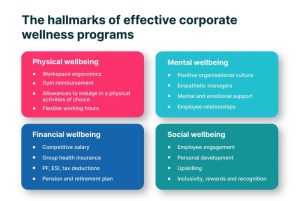
Company wellness programs are proactive initiatives designed to improve the physical, mental, and emotional well-being of employees. These programs recognize that a healthy workforce is a more productive and engaged workforce, leading to significant benefits for both the employee and the company. A comprehensive approach considers the holistic well-being of the individual, encompassing various aspects of their lives.A successful company wellness program incorporates several core components.
These components work synergistically to create a supportive environment that encourages healthy behaviors and fosters a culture of well-being. The effectiveness of these programs hinges on their ability to address the diverse needs of the employee population, promoting engagement and participation.
Core Components of Successful Wellness Programs
Effective wellness programs typically include a combination of elements designed to address various aspects of employee well-being. These components often include educational resources, screenings, and incentives to encourage participation and long-term behavior change. A well-rounded program recognizes that individual needs vary greatly, requiring a flexible and adaptable approach.
- Health Education and Promotion: This involves providing employees with information and resources on various health topics, such as nutrition, stress management, and physical activity. This could involve workshops, online resources, or newsletters.
- Health Risk Assessments and Screenings: These assessments help identify potential health risks and provide employees with personalized feedback and recommendations. Examples include biometric screenings (blood pressure, cholesterol), health questionnaires, and fitness assessments.
- On-site or Subsidized Fitness Facilities: Access to fitness facilities, whether on-site or through subsidized memberships, provides employees with convenient opportunities to engage in physical activity.
- Wellness Challenges and Incentives: These programs encourage participation through competitions and rewards for achieving health goals, such as weight loss or increased physical activity. Incentives can range from gift cards to paid time off.
- Employee Assistance Programs (EAPs): EAPs provide confidential counseling and support services to employees facing personal or work-related challenges, such as stress, anxiety, or depression.
- Mental Health Resources: This could include access to mental health professionals, stress management workshops, and mindfulness programs. The increasing focus on mental health makes this a crucial component.
Examples of Company Wellness Programs
Companies offer a wide range of wellness programs tailored to their specific workforce and resources. Some programs focus on a single area, while others take a more holistic approach. The success of a program depends on its relevance to the employees’ needs and its integration into the company culture.
- Fitness Programs: These programs may include on-site gyms, subsidized gym memberships, fitness classes, or walking groups.
- Nutrition Programs: These programs may involve nutrition workshops, healthy food options in the cafeteria, or weight management programs.
- Stress Management Programs: These programs may include yoga classes, mindfulness training, or stress management workshops.
- Financial Wellness Programs: These programs may offer financial planning resources, budgeting workshops, or debt management assistance.
- Smoking Cessation Programs: These programs may provide counseling, nicotine replacement therapy, or support groups.
Designing Wellness Programs for Diverse Employee Needs
A successful wellness program recognizes and accommodates the diverse needs of its employees. This involves considering factors such as age, gender, ethnicity, physical abilities, and cultural backgrounds. A one-size-fits-all approach is unlikely to be effective.
To cater to diverse needs, companies should:
- Conduct needs assessments: Surveys and focus groups can help identify the specific health and wellness needs of the employee population.
- Offer a variety of programs: Providing a range of options allows employees to choose programs that best meet their individual needs and preferences.
- Consider accessibility and inclusivity: Programs should be accessible to employees with disabilities and consider cultural sensitivities.
- Promote communication and feedback: Regular communication and opportunities for feedback ensure that the program remains relevant and responsive to employee needs.
Return on Investment (ROI) of Company Wellness Programs
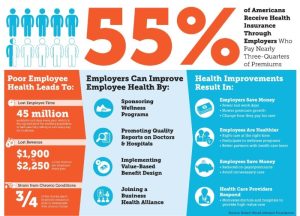
While the ROI of wellness programs can be difficult to quantify precisely, studies suggest that investing in employee well-being can yield significant returns. Improved employee health can lead to reduced healthcare costs, increased productivity, reduced absenteeism, and improved employee morale and retention.
Potential ROI benefits include:
- Reduced healthcare costs: Healthier employees tend to have lower healthcare utilization rates.
- Increased productivity: Healthier employees are generally more productive and efficient.
- Reduced absenteeism and presenteeism: Wellness programs can help reduce both absenteeism (days off work) and presenteeism (being at work but not fully productive).
- Improved employee morale and engagement: Employees who feel valued and supported are more likely to be engaged and motivated.
- Reduced employee turnover: Investing in employee well-being can improve employee retention.
Wellness Retreats and Their Integration
Incorporating wellness retreats into a company’s overall wellness strategy offers a powerful way to boost employee well-being and enhance productivity. These immersive experiences provide a significant departure from the daily grind, fostering deeper engagement with wellness practices and promoting a stronger sense of community among colleagues. The benefits extend beyond the retreat itself, creating a ripple effect that positively impacts workplace culture and employee performance long after the event concludes.Wellness retreats provide a dedicated space and time for employees to prioritize their physical and mental health.
This structured environment, removed from the usual workplace stressors, allows for a more focused and effective approach to wellness activities. The collective experience fosters camaraderie and shared goals, strengthening team bonds and promoting a more supportive work environment.
Types of Wellness Retreats and Their Benefits
Different types of wellness retreats cater to diverse interests and needs. Yoga retreats emphasize flexibility, strength, and mindfulness through yoga practice, often incorporating meditation and healthy eating. Fitness retreats focus on physical activity, offering a range of activities like hiking, cycling, or strength training, often combined with nutritional guidance. Mindfulness retreats prioritize mental well-being through meditation, breathwork, and other mindfulness techniques, helping participants manage stress and improve focus.
Each type offers unique benefits, and the optimal choice depends on the specific needs and preferences of the employees. For instance, a tech company might opt for a mindfulness retreat to combat stress associated with long hours and high-pressure projects, while a company with a physically demanding job might choose a fitness retreat to promote injury prevention and overall physical fitness.
Integrating Wellness Retreats into Existing Programs
Companies can seamlessly integrate wellness retreats into their existing wellness programs by positioning the retreat as a culminating experience or a significant component of a broader initiative. For example, a company already offering on-site fitness classes and health workshops could use a fitness retreat as a way to deepen employee engagement and provide a more immersive experience. Similarly, a company with an established employee assistance program (EAP) could incorporate a mindfulness retreat to complement existing mental health resources.
The retreat can be presented as a reward for achieving wellness goals, a team-building activity, or simply a valuable opportunity for employees to invest in their well-being. Effective communication is key to maximizing participation and ensuring the retreat aligns with the company’s overall wellness objectives.
Sample 3-Day Wellness Retreat Itinerary
This sample itinerary demonstrates how a company might structure a three-day wellness retreat focused on mindfulness and stress reduction.
| Day | Morning | Afternoon | Evening |
|---|---|---|---|
| Day 1 | Arrival & Check-in; Guided Meditation; Introduction to Mindfulness Techniques | Mindful Hiking; Nature Walk and Journaling | Mindful Dinner; Evening Yoga & Relaxation |
| Day 2 | Sunrise Yoga & Meditation; Healthy Breakfast | Workshop: Stress Management Techniques; Free Time for Relaxation | Sound Bath Meditation; Healthy Dinner |
| Day 3 | Mindful Movement; Healthy Breakfast | Departure Preparations; Closing Circle & Sharing; Check-out | Travel Home |
Accommodation would ideally be in a peaceful, natural setting – perhaps a secluded cabin resort or a spa with comfortable rooms and access to nature trails. Meals would emphasize fresh, healthy, and locally sourced ingredients, prepared with a focus on mindful eating. The overall atmosphere would be designed to encourage relaxation, reflection, and connection with nature and oneself.
Budgeting and Resource Allocation for Wellness Programs
Developing a robust budget for company wellness programs is crucial for successful implementation and long-term sustainability. A well-defined budget ensures that resources are allocated effectively, maximizing the impact of initiatives while remaining fiscally responsible. This involves careful consideration of various factors, including program costs, potential savings, and diverse funding sources.Effective budgeting strategies for wellness programs involve a multi-faceted approach.
It’s not simply about allocating a fixed sum; it’s about strategically investing in initiatives that deliver the greatest return on investment (ROI) in terms of employee well-being and productivity. This necessitates a thorough understanding of the company’s specific needs and priorities, as well as the preferences and demographics of the employee population.
Budgeting Strategies for Wellness Programs
Several strategies can be employed to effectively budget for wellness programs. These range from allocating a percentage of the overall company budget to a more targeted approach focused on specific program components. A phased rollout, starting with smaller, pilot programs, allows for evaluation and adjustments before full-scale implementation. This iterative process minimizes risk and optimizes resource allocation.
Furthermore, leveraging existing company resources, such as unused meeting spaces or technology, can significantly reduce program costs.
Cost-Effective Wellness Initiatives
Implementing effective wellness initiatives doesn’t necessitate substantial financial investment. Many programs can be launched with minimal cost, focusing on promoting awareness and engagement. For example, a company could initiate a walking challenge using a free fitness tracking app, or organize lunchtime yoga sessions led by a volunteer employee. Similarly, promoting healthy eating habits through internal communications and providing access to online nutritional resources are cost-effective ways to encourage healthy lifestyles.
The key is to prioritize initiatives with high impact and low cost. A company could start by creating a wellness committee composed of employees who can volunteer their time to plan and implement initiatives.
Funding Sources for Wellness Programs
Securing sufficient funding is paramount for the success of any wellness program. Several funding sources can be explored, including direct allocation from the company budget, employee contributions (e.g., through payroll deductions or participation fees for specific events), and corporate sponsorships from health-related businesses or organizations. Grants from government agencies or non-profit organizations dedicated to workplace wellness could also be a viable option, depending on the program’s focus and the company’s eligibility.
For example, a company might partner with a local gym to offer discounted memberships to employees, thereby reducing the financial burden on both the company and its employees.
Creating a Comprehensive Wellness Program Budget
Developing a comprehensive budget requires a detailed assessment of anticipated costs and potential savings. This involves identifying all program components, estimating associated expenses (e.g., program materials, facilitator fees, marketing and communication costs), and projecting potential returns on investment (e.g., reduced healthcare costs, improved employee productivity). A detailed budget should be created using spreadsheet software or budgeting tools. It should include a clear breakdown of all anticipated expenses, a timeline for spending, and a mechanism for tracking actual expenditures against the budget.
For example, a budget for a stress management program might include costs for workshop materials, a facilitator’s fee, and marketing costs for employee registration. Potential savings could include a reduction in sick days and improved employee morale.
Addressing Employee Concerns and Challenges
Successfully implementing a company wellness program requires careful consideration of potential employee concerns and challenges. Overcoming these hurdles is crucial for maximizing participation and achieving the program’s intended benefits. Addressing these issues proactively fosters a supportive and inclusive environment, ensuring the program’s success.
Common Challenges and Solutions in Wellness Program Implementation
Companies often encounter various obstacles when launching wellness initiatives. These challenges can range from logistical issues to concerns about employee engagement and data privacy. Addressing these proactively is key to a successful program.
- Challenge: Low Participation Rates. Many employees may be hesitant to participate due to time constraints, lack of interest, or skepticism about the program’s effectiveness.
- Solution: Offer a diverse range of activities to cater to different interests and fitness levels. Promote flexibility and convenience by offering virtual options and integrating wellness activities into the workday. Highlight success stories and testimonials from participating employees to build trust and demonstrate the program’s value.
- Challenge: Lack of Management Support. Without visible support from leadership, employees may perceive the program as unimportant or a mere formality.
- Solution: Secure visible buy-in from senior management, ensuring their active participation and communication of the program’s importance. Integrate wellness initiatives into company culture and reward systems.
- Challenge: Insufficient Resources. Inadequate funding, staffing, or technology can hinder program effectiveness.
- Solution: Develop a detailed budget that Artikels all costs associated with the program. Explore partnerships with local organizations or health providers to leverage resources and reduce expenses. Prioritize essential program components and gradually expand offerings as resources allow.
Strategies for Encouraging Employee Participation
Boosting participation requires a multi-pronged approach focusing on motivation, accessibility, and communication. Creating a supportive and inclusive environment is vital to overcome hesitation and skepticism.
A key strategy is to personalize the program experience. Offer customized wellness plans based on individual needs and preferences. For example, some employees might benefit from stress management workshops, while others might prefer physical activity programs. Regularly assess employee feedback and adapt the program accordingly to address evolving needs and preferences. Celebrating milestones and recognizing employee achievements through rewards or recognition programs also helps to maintain engagement and build a sense of community.
Addressing Privacy Concerns Related to Employee Health Data
Protecting employee privacy is paramount. Transparency and clear communication are essential in building trust.
The company should establish a clear privacy policy that Artikels how employee health data will be collected, used, and protected. This policy should comply with all relevant data privacy regulations. Data should be anonymized whenever possible, and access should be restricted to authorized personnel only. Employees should be informed about the data collection process and have the right to access, correct, or delete their data.
Regular audits and security measures should be implemented to ensure data protection.
Communication Plan for Promoting Company Wellness Programs
Effective communication is crucial for program success. A comprehensive plan ensures all employees are aware of the program’s benefits and how to participate.
The communication plan should utilize a multi-channel approach, including email newsletters, company intranet announcements, posters, and team meetings. Regular updates and success stories should be shared to keep employees engaged. Consider using interactive platforms such as employee forums or social media groups to encourage discussion and feedback. Highlighting testimonials from employees who have benefited from the program can build trust and encourage participation.
Leaders should actively participate in promoting the program and share their own experiences. Regular surveys and feedback mechanisms will help to identify areas for improvement and adapt the communication strategy accordingly.
Ultimately, successful company wellness programs are built on a foundation of thoughtful planning, employee engagement, and a commitment to continuous improvement. By prioritizing employee well-being, companies can cultivate a healthier, more productive, and more engaged workforce, leading to increased profitability and a stronger competitive edge. This guide has provided a framework for developing and implementing such programs, highlighting the crucial elements for success and offering practical strategies to overcome common challenges.
Remember, the journey towards a healthier and happier workforce is a continuous process, requiring ongoing evaluation and adaptation to ensure its long-term effectiveness and relevance.
Clarifying Questions
What are the legal implications of collecting employee health data?
Companies must comply with relevant privacy laws (e.g., HIPAA in the US) when collecting and handling employee health information. Transparency and informed consent are crucial.
How can we encourage participation from employees who are initially resistant?
Offer a variety of programs to appeal to diverse interests, highlight success stories, and provide flexible participation options. Address concerns openly and emphasize the benefits of participation.
How do we measure the ROI of a wellness program?
Track metrics such as reduced healthcare costs, decreased absenteeism, improved productivity, and increased employee engagement. Compare pre- and post-program data to demonstrate the impact.
What if our company has a limited budget?
Start small with cost-effective initiatives like walking challenges, mindfulness workshops, or healthy eating campaigns. Seek partnerships with local organizations or leverage existing resources.