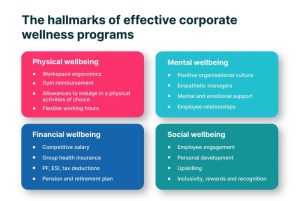
Workplace wellness programs are rapidly gaining recognition as crucial investments in employee well-being and overall organizational success. These initiatives extend far beyond simple gym memberships, encompassing a holistic approach to employee health, encompassing physical, mental, and financial wellness. This guide delves into the design, implementation, and measurement of effective workplace wellness programs, offering practical strategies and valuable insights for businesses of all sizes.
From defining core components and exploring various program types to addressing challenges and measuring return on investment, we’ll cover the essential aspects of creating a thriving wellness culture within your organization. We’ll examine how to integrate wellness initiatives seamlessly into existing company culture, boost employee engagement, and ultimately, improve productivity and retention.
Defining Workplace Wellness Programs
Workplace wellness programs are initiatives designed to improve the physical, mental, and emotional well-being of employees. These programs recognize that a healthy workforce is a productive workforce, and aim to foster a culture of health and well-being within the organization. A comprehensive approach considers the holistic needs of employees, extending beyond simply offering gym memberships to encompass a broader range of support systems.
Core Components of Successful Workplace Wellness Programs
Successful workplace wellness programs typically incorporate several key components. These include a needs assessment to identify specific employee health concerns, a well-defined program structure with clear goals and objectives, a variety of accessible and engaging activities, ongoing communication and promotion, leadership support and commitment, and a system for evaluating program effectiveness and making necessary adjustments. The program should be tailored to the specific needs and preferences of the workforce, considering factors such as demographics, job demands, and company culture.
Examples of Workplace Wellness Programs
Many companies offer diverse wellness programs. For example, some provide on-site fitness centers or subsidized gym memberships, others offer health screenings and preventative care, while others focus on stress management programs like mindfulness training or yoga classes. Some companies might offer financial wellness workshops, smoking cessation programs, or employee assistance programs (EAPs) to address mental health concerns. Google, known for its extensive benefits, offers on-site medical clinics, fitness facilities, and a variety of health and wellness workshops.
Similarly, Patagonia emphasizes outdoor activities and environmental sustainability as part of its employee wellness initiatives.
Benefits of Workplace Wellness Programs
Implementing a workplace wellness program offers significant benefits for both employees and employers. For employees, these programs can lead to improved physical health, reduced stress levels, increased job satisfaction, and better work-life balance. Improved health translates to reduced absenteeism and presenteeism (being at work but not fully productive due to health issues). For employers, the benefits include increased productivity, reduced healthcare costs, improved employee morale and retention, and a stronger employer brand.
Studies have shown a positive correlation between workplace wellness programs and reduced healthcare claims, leading to significant cost savings for companies.
Challenges in Implementing and Maintaining Workplace Wellness Programs
Despite the numerous benefits, implementing and maintaining effective workplace wellness programs presents several challenges. These include securing buy-in from leadership and employees, allocating sufficient resources (budget, time, and personnel), measuring program effectiveness and demonstrating ROI, ensuring program accessibility and inclusivity for all employees, maintaining employee engagement over time, and adapting programs to meet evolving employee needs.
Overcoming these challenges often requires a strategic approach, strong communication, and a commitment to ongoing evaluation and improvement.
Comparison of Wellness Program Approaches
| Program Approach | Pros | Cons | Suitable For |
|---|---|---|---|
| On-site Fitness Center | Increased accessibility, convenient location, fosters community | High initial investment, requires space and maintenance | Companies with large workforces and ample space |
| Subsidized Gym Memberships | Offers flexibility and variety, lower initial investment | Less control over program content, potential for low participation | Companies with diverse employee preferences and limited space |
| Wellness Workshops/Training | Addresses specific health concerns, cost-effective | Requires skilled instructors, may not be engaging for all | Companies with diverse employee needs and limited budget |
| EAPs & Mental Health Support | Addresses crucial mental health needs, improves employee well-being | Requires careful selection of providers, potential for stigma | All companies, particularly those prioritizing employee mental health |
Program Design and Implementation
Designing and implementing a successful workplace wellness program requires careful planning and consideration of your employees’ needs and your company’s culture. A well-structured program can boost morale, improve productivity, and reduce healthcare costs. This section Artikels key steps in the process, from initial design to ongoing evaluation.
Sample Wellness Program for a Small Business
This example focuses on a small business (under 50 employees) and prioritizes affordability and ease of implementation. The program incorporates elements of physical, mental, and financial wellness. The core components are designed to be easily integrated into the existing work environment and encourage participation from all employees.
- Monthly Wellness Workshops: These could cover topics like stress management, healthy eating habits, and financial literacy. Guest speakers or internal experts could lead these sessions, keeping costs down. Examples of workshops include “Stress-Free Strategies for the Workplace” or “Smart Spending: Budgeting Basics.”
- Team-Building Activities: Organize monthly activities promoting physical activity and camaraderie, such as lunchtime walks, group yoga sessions, or volunteering events. These activities can improve employee relationships and reduce stress.
- Wellness Challenges: Introduce friendly competitions, such as step-counting challenges using fitness trackers or healthy eating challenges. Offering small prizes (gift cards, extra vacation time) can boost participation.
- Ergonomic Assessments: Provide free ergonomic assessments for workstations to prevent musculoskeletal injuries and improve comfort. This demonstrates a commitment to employee well-being and can reduce sick days.
- Access to Mental Health Resources: Offer resources such as employee assistance programs (EAPs) or links to reputable mental health websites. This shows support for employees’ mental health needs, a crucial aspect often overlooked.
Step-by-Step Implementation Plan for a Comprehensive Workplace Wellness Program
A phased approach is crucial for successful implementation. This plan Artikels key stages, allowing for adjustments based on feedback and results.
- Needs Assessment: Conduct surveys and focus groups to understand employee health interests and concerns. This informs program design and ensures relevance.
- Program Design: Based on the needs assessment, develop a comprehensive program with specific goals, objectives, and activities. Consider incorporating various wellness dimensions (physical, mental, financial, social).
- Resource Allocation: Secure budget and resources (staff time, materials, technology) needed for program implementation. Explore partnerships with local organizations or health providers to reduce costs.
- Communication and Promotion: Effectively communicate the program to employees, highlighting benefits and encouraging participation. Use various channels (email, intranet, posters) to reach everyone.
- Program Launch and Monitoring: Launch the program with a kickoff event and regularly monitor participation rates and employee feedback. Make adjustments as needed.
- Evaluation and Improvement: Regularly evaluate the program’s effectiveness using key metrics (e.g., participation rates, employee satisfaction, health outcomes). Use this data to make improvements and ensure ongoing relevance.
Best Practices for Engaging Employees in Wellness Initiatives
Employee engagement is key to a successful wellness program. Strategies should be tailored to your workforce’s preferences and needs.
- Make it Convenient: Offer programs and activities during convenient times and locations to maximize participation. Consider offering virtual options for remote workers.
- Promote a Culture of Wellness: Leadership buy-in is essential. Leaders should actively participate and promote the program to create a supportive environment.
- Personalization: Offer a range of activities to cater to diverse interests and fitness levels. Allow employees to choose activities that suit their preferences.
- Incentivize Participation: Offer small incentives (gift cards, extra time off) to motivate participation. Consider team-based challenges to foster competition and collaboration.
- Provide Ongoing Support: Offer resources and support to help employees maintain healthy habits. This could include coaching, peer support groups, or access to health professionals.
Strategies for Measuring the Effectiveness of a Wellness Program
Measuring program effectiveness is crucial for demonstrating ROI and making data-driven improvements.
- Participation Rates: Track the number of employees participating in various program activities. This indicates the program’s reach and engagement.
- Employee Surveys: Conduct regular surveys to assess employee satisfaction, perceived benefits, and suggestions for improvement. This provides valuable qualitative data.
- Health Data: Track relevant health metrics (e.g., blood pressure, weight, stress levels) to measure the impact on employee health. This requires employee consent and ethical considerations.
- Absenteeism and Presenteeism: Monitor sick days and presenteeism (being at work but not fully productive) to assess the program’s impact on productivity. This requires careful analysis and consideration of other factors.
- Return on Investment (ROI): Calculate the program’s ROI by comparing the costs of implementation to the savings from reduced healthcare costs, increased productivity, and decreased absenteeism.
Integrating Wellness Programs with Existing Company Culture and Values
A successful wellness program aligns with the company’s overall culture and values. This ensures consistency and enhances employee buy-in.
For example, a company that values teamwork could incorporate team-based wellness challenges. A company that emphasizes sustainability could include eco-friendly activities. Integrating wellness initiatives into existing communication channels, such as newsletters or company meetings, reinforces the program’s importance and shows a genuine commitment to employee well-being.
Specific Wellness Program Components
A comprehensive workplace wellness program should address multiple aspects of employee well-being, extending beyond physical health to encompass mental, financial, and social dimensions. Integrating these diverse components creates a holistic approach that fosters a healthier, happier, and more productive workforce. This section details key components and their importance.
Mental Health Initiatives in the Workplace
Prioritizing mental health is crucial for a thriving workplace. Untreated mental health conditions can lead to decreased productivity, increased absenteeism, and higher healthcare costs. A robust mental health initiative demonstrates a commitment to employee well-being, fostering trust and loyalty. Effective programs offer resources like employee assistance programs (EAPs), mental health awareness training for managers, and access to mental health professionals.
These initiatives aim to reduce stigma surrounding mental health, promote early intervention, and provide support for employees facing challenges.
Stress Management Techniques
Stress is a pervasive issue in today’s demanding work environment. Implementing effective stress management techniques within a wellness program is essential. Examples include mindfulness and meditation sessions, yoga classes, workshops on time management and stress reduction techniques, and access to online resources and apps focusing on relaxation and stress coping mechanisms. These programs equip employees with practical skills to manage stress levels, improving their overall well-being and job performance.
For instance, a guided meditation session could involve deep breathing exercises and visualization techniques to promote relaxation and reduce anxiety. A time management workshop might teach prioritization skills and efficient task delegation to lessen feelings of being overwhelmed.
Benefits of Incorporating Physical Activity Programs
Regular physical activity significantly boosts employee health and well-being. Workplace wellness programs can encourage physical activity through various initiatives. These include on-site fitness centers or subsidized gym memberships, group fitness classes (yoga, Zumba, etc.), walking groups during lunch breaks, and challenges like step-count competitions. The benefits extend beyond physical health, impacting mental well-being, reducing stress, and improving overall mood and energy levels.
Increased physical activity also translates to reduced healthcare costs for both the employee and the employer in the long run due to a decrease in chronic disease risks. For example, a company-sponsored step challenge can foster team spirit and friendly competition, encouraging employees to increase their daily activity levels.
Promoting Healthy Eating Habits
Nutrition plays a vital role in employee health and productivity. Wellness programs can promote healthy eating habits through several strategies. These could include providing healthy food options in the workplace cafeteria, offering nutrition workshops and cooking demonstrations, creating a company-wide healthy eating challenge, and providing resources on healthy recipes and meal planning. Furthermore, encouraging regular breaks away from the desk to promote movement and mindful eating helps cultivate healthier habits.
For example, a cooking demonstration could showcase healthy and easy-to-prepare recipes, while a company-wide challenge could reward employees for making positive dietary changes.
Resources for Financial Wellness Support
Financial stress significantly impacts employee well-being and productivity. Providing access to financial wellness resources is crucial.
- Financial literacy workshops: These workshops can cover budgeting, saving, debt management, and investing.
- Access to financial advisors: Offering consultations with financial advisors provides personalized guidance.
- Online resources and tools: Providing access to reputable websites and apps that offer budgeting tools and financial education materials.
- Employee assistance programs (EAPs): Many EAPs offer financial counseling services as part of their comprehensive support.
- Retirement planning assistance: Providing information and resources to help employees plan for their retirement.
Implementing a successful workplace wellness program requires careful planning, consistent effort, and a genuine commitment to employee well-being. By thoughtfully designing programs tailored to your organization’s specific needs and culture, measuring their impact, and fostering employee engagement, you can cultivate a healthier, happier, and more productive workforce. The ultimate reward is a stronger, more resilient organization that thrives on the well-being of its employees.
Quick FAQs
What is the ideal budget for a workplace wellness program?
Budgeting depends heavily on company size and program scope. Start with a needs assessment and prioritize initiatives based on employee feedback and ROI potential. Consider phased implementation to manage costs effectively.
How do I measure the success of my wellness program?
Track key metrics like employee participation rates, health screenings results, absenteeism rates, and employee feedback surveys. Correlate these with productivity and retention data to assess the overall impact.
What if my employees aren’t interested in participating?
Promote the program actively, highlighting benefits and addressing concerns. Offer diverse options to cater to different interests and needs. Make participation voluntary and emphasize the positive aspects of a healthier lifestyle.
How can I ensure my wellness program is inclusive and accessible to all employees?
Consider employees with diverse needs and abilities. Offer a range of activities and resources that cater to varying physical limitations, cultural backgrounds, and personal preferences. Provide clear and accessible communication materials.