Escape the everyday and rediscover intimacy and well-being with a couples’ wellness retreat. These transformative experiences offer more than just relaxation; they provide a unique opportunity to reconnect, revitalize, and reignite the spark in your relationship. Whether you crave adventurous hikes, serene spa days, or immersive culinary journeys, a thoughtfully chosen retreat can cater to your shared desires and individual needs, fostering personal growth and strengthening your bond.
From the invigorating physical activities to the mindful practices that promote inner peace, couples’ retreats provide a holistic approach to wellness. Imagine sharing transformative experiences, deepening your connection, and returning home refreshed and renewed, ready to face life’s challenges together with renewed energy and understanding.
Benefits of Couples Wellness Retreats
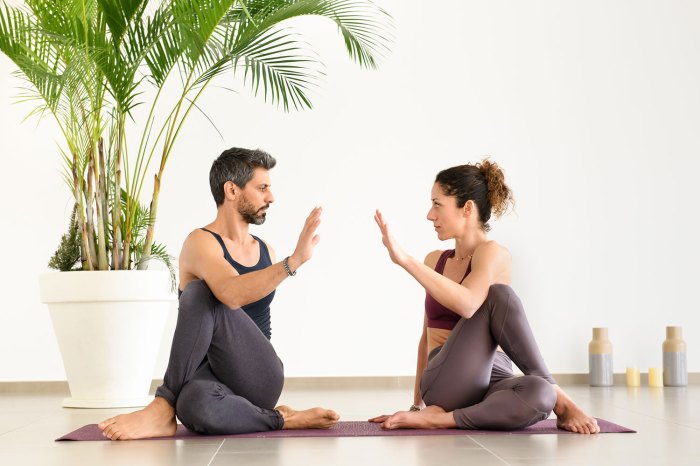
Couples wellness retreats offer a unique opportunity to reconnect, rejuvenate, and strengthen the bond between partners. Stepping away from the daily grind and immersing yourselves in a supportive and tranquil environment allows for focused attention on your relationship and individual well-being. The benefits extend far beyond simple relaxation, impacting emotional, physical, and relational aspects of your lives in profound ways.Investing time and energy in a couples retreat yields significant returns in improved communication, enhanced intimacy, and reduced stress levels.
The structured activities and mindful practices incorporated into these retreats provide a framework for personal growth and deeper understanding, fostering a stronger and more resilient partnership.
Emotional Well-being Enhancement
Couples often find that the pressures of daily life can strain their emotional connection. A retreat provides a sanctuary where you can openly communicate feelings, address unresolved conflicts, and rediscover the emotional intimacy that may have faded. The shared experiences, facilitated discussions, and quiet moments of reflection foster empathy, understanding, and a renewed sense of emotional closeness. Many couples report feeling a significant decrease in anxiety and an increase in feelings of security and contentment following a retreat.
The opportunity to disconnect from work and daily stressors contributes to a reduction in overall emotional fatigue, allowing for genuine emotional reconnection.
Physical Health Improvements
Beyond the emotional benefits, couples wellness retreats often incorporate activities that promote physical health. Yoga, meditation, healthy eating plans, and opportunities for physical activity like hiking or swimming contribute to improved fitness, reduced stress, and increased energy levels. The focus on healthy lifestyle choices during the retreat can inspire lasting changes in habits and routines, leading to long-term improvements in physical well-being for both partners.
The shared commitment to health and wellness strengthens the bond between partners and creates a supportive environment for positive lifestyle changes.
Relational Benefits: Communication, Intimacy, and Stress Management
Retreats provide a structured environment designed to improve crucial aspects of a relationship.
- Improved Communication: Guided communication exercises and workshops help couples learn effective listening skills, express needs and desires clearly, and resolve conflicts constructively. This leads to a more open and honest relationship dynamic.
- Enhanced Intimacy: The focus on relaxation, self-care, and emotional connection creates space for increased intimacy, both physical and emotional. Couples often report a renewed sense of passion and connection after participating in a retreat.
- Stress Reduction: The retreat environment provides a much-needed break from daily stressors. Mindfulness practices, relaxation techniques, and time spent in nature help reduce stress levels, improving both individual and relational well-being. This allows couples to approach challenges with greater resilience and calm.
Personal Growth and Self-Discovery
While focusing on the relationship, these retreats also prioritize individual growth. The opportunity for introspection, self-reflection, and participation in personal development activities allows each partner to explore their own needs, desires, and goals. This self-awareness fosters a stronger sense of self, which in turn enhances the relationship. Individual growth activities may include journaling, meditation, or personal coaching sessions.
The enhanced self-understanding gained contributes to more fulfilling relationships, as partners are better equipped to communicate their needs and contribute to the partnership authentically.
Choosing the Right Retreat for a Couple
Selecting the perfect couples wellness retreat requires careful consideration of several key factors. A successful retreat hinges on aligning the experience with your shared preferences and expectations, ensuring a memorable and rejuvenating getaway. Failing to plan adequately could lead to disappointment, so taking the time to research and compare options is crucial.
Budgetary Considerations and Retreat Costs
The cost of a couples wellness retreat can vary significantly depending on factors such as location, duration, amenities, and the level of luxury offered. Budgeting accurately is essential to avoid unexpected expenses. Consider all costs involved, including travel, accommodation, activities, meals, and any additional services like spa treatments. Establish a realistic budget range before you begin your search to help narrow down your options.
For example, a luxurious retreat in a secluded island setting will naturally be more expensive than a retreat at a more accessible location with fewer amenities. Knowing your budget upfront helps to focus your search efficiently.
Location and Proximity to Nature
The location of your chosen retreat plays a crucial role in setting the overall tone and experience. Couples seeking tranquility and connection with nature might prefer retreats nestled in serene mountain settings, lush forests, or on secluded beaches. The ambiance of the location directly impacts the relaxation and rejuvenation experienced. For example, a mountain retreat offers breathtaking views and opportunities for hiking, while a beachside retreat provides access to the ocean and water activities.
Conversely, urban retreats, while offering convenience and access to cultural attractions, might lack the peaceful seclusion sought by many couples.
Activities and Amenities Offered
The activities and amenities offered at a retreat significantly influence the overall experience. Consider your shared interests and preferences when reviewing options. Some retreats focus on yoga and meditation, others on adventure activities like hiking or kayaking, and still others offer a blend of both. The availability of spa services, healthy dining options, and comfortable accommodations are also important considerations.
For instance, a retreat specializing in yoga and meditation might offer daily classes and workshops, while an adventure-focused retreat might incorporate hiking excursions and water sports. Choosing a retreat that aligns with your shared interests ensures a more enjoyable and fulfilling experience.
Retreat Philosophy and Approach
Different retreats adopt varying philosophies and approaches to wellness. Some might emphasize a holistic approach encompassing physical, mental, and spiritual well-being, while others might focus on specific areas like stress reduction or mindfulness. Understanding the retreat’s philosophy is crucial to ensure it aligns with your expectations. For instance, a retreat emphasizing mindfulness might include meditation sessions and journaling exercises, whereas a retreat focusing on stress reduction might incorporate massage therapy and other relaxation techniques.
Considering the retreat’s approach ensures a personalized and effective experience.
Decision-Making Flowchart for Couples
The following flowchart provides a structured approach to selecting the ideal couples wellness retreat:
Start → Define Budget → Determine Desired Location (Nature vs. Urban) → Identify Preferred Activities → Research Retreats based on Criteria → Compare Retreat Philosophies → Select Retreat → Book!
Sample Retreat Itineraries
Couples’ wellness retreats offer diverse experiences tailored to various preferences. To illustrate this, we present two sample itineraries: one focusing on relaxation and spa treatments, the other emphasizing adventure and physical activity. Both itineraries incorporate elements designed to enhance mindfulness, improve physical well-being, and strengthen the couple’s bond.
Relaxing Spa Retreat Itinerary
This itinerary prioritizes relaxation, rejuvenation, and connection through shared spa experiences and mindful practices. The emphasis is on unwinding, de-stressing, and fostering intimacy through shared experiences.
Day 1: Arrival and Gentle Introduction
Afternoon: Arrive at the luxurious spa resort, check in, and enjoy a welcome drink. Settle into your tranquil suite.
Evening: Enjoy a light, healthy dinner followed by a guided meditation session focusing on breathwork and relaxation.
Day 2: Rejuvenation and Pampering
Morning: Begin with a gentle yoga session designed to increase flexibility and promote relaxation.
Afternoon: Indulge in a couples’ massage, followed by a private aromatherapy session.
Evening: Enjoy a romantic dinner at the resort’s fine-dining restaurant.
“The couples’ massage was truly transformative, melting away stress and deepening our connection.”
Day 3: Mindfulness and Self-Care
Morning: Participate in a mindfulness workshop focusing on present moment awareness and stress reduction techniques.
Afternoon: Enjoy individual spa treatments such as facials or body wraps.
Evening: Attend a sound bath session, promoting deep relaxation and emotional release.
Day 4: Departure
Morning: Enjoy a leisurely breakfast and depart feeling refreshed and rejuvenated.
“The sound bath was incredibly peaceful, leaving us feeling deeply relaxed and connected.”
Expected Emotional and Relational Outcomes: This itinerary aims to reduce stress levels, enhance communication, and deepen intimacy through shared relaxation and self-care practices. Couples can expect to feel more connected, relaxed, and rejuvenated after this retreat.
Adventurous Hiking Retreat Itinerary
This itinerary emphasizes physical activity, exploration, and connection through shared experiences in nature. The focus is on challenging oneself physically while fostering teamwork and appreciation for the natural world.
Day 1: Arrival and Acclimatization
Afternoon: Arrive at the mountain lodge, check in, and receive a briefing on safety guidelines and hiking routes.
Evening: Enjoy a hearty dinner followed by a light stretching session to prepare for the hikes.
Day 2: Moderate Hike and Mindfulness in Nature
Morning: Embark on a moderate-difficulty hike through scenic trails, enjoying breathtaking views. Incorporate short mindful pauses along the way to appreciate the surroundings.
Afternoon: Relax at the lodge, enjoying the peaceful atmosphere and reflecting on the morning’s hike.
Evening: Enjoy a campfire with storytelling and stargazing.
“The breathtaking views from the mountaintop were truly unforgettable, and sharing that experience with my partner strengthened our bond.”
Day 3: Challenging Hike and Team Building
Morning: Tackle a more challenging hike, requiring teamwork and mutual support to overcome obstacles.
Afternoon: Enjoy a picnic lunch amidst stunning natural scenery.
Evening: Participate in a team-building activity designed to foster communication and problem-solving skills.
Day 4: Gentle Hike and Reflection
Morning: Enjoy a gentle morning hike, focusing on mindful movement and appreciation of nature.
Afternoon: Participate in a guided reflection session, discussing personal insights and experiences from the retreat.
Evening: Enjoy a farewell dinner, celebrating accomplishments and reflecting on the journey.
“Overcoming the challenging hike together fostered a deeper sense of trust and accomplishment.”
Expected Emotional and Relational Outcomes: This itinerary aims to improve physical fitness, boost confidence, and strengthen the couple’s bond through shared challenges and accomplishments. Couples can expect to feel a greater sense of teamwork, resilience, and connection after this retreat.
Wellness Retreats vs. Wellness Programs
Wellness retreats and standalone wellness programs both aim to improve well-being, but they differ significantly in their structure, duration, and overall approach. Understanding these differences is crucial for couples considering ways to enhance their shared health and happiness. This comparison will highlight the advantages and disadvantages of each option, ultimately helping couples choose the best fit for their needs.Wellness retreats offer an immersive, intensive experience focused on holistic well-being, typically spanning several days or even a week.
Standalone wellness programs, conversely, are more flexible, often consisting of shorter sessions spread over weeks or months, and may focus on specific areas of wellness.
Structural Differences and Duration
Wellness retreats provide a structured environment removed from daily life’s distractions. The immersive nature allows for deeper engagement with wellness activities and promotes relaxation and bonding. Typical durations range from a long weekend to a week, sometimes longer. In contrast, standalone wellness programs offer more flexibility. They might involve weekly yoga classes, monthly massage sessions, or a longer-term commitment to a nutrition plan.
The duration is variable, depending on the program’s goals and the individual’s commitment. A couples’ program might involve weekly couple’s therapy sessions for several months, while a single individual might opt for a shorter program focusing on stress management techniques.
Goals and Objectives of Each Approach
The primary goal of a wellness retreat is often a significant and rapid shift in well-being. The concentrated time and dedicated activities are designed to promote immediate relaxation, stress reduction, and improved physical and mental health. Stand-alone programs, however, tend to focus on gradual, sustainable improvements. They often incorporate practices designed for integration into daily life, aiming for long-term behavioral changes rather than immediate, dramatic shifts.
For example, a retreat might focus on detox and mindfulness practices, while a standalone program could focus on developing long-term healthy eating habits.
Advantages and Disadvantages for Couples
Wellness Retreats: Advantages include a dedicated time for connection and shared experiences, fostering intimacy and reducing stress. Disadvantages may include the significant cost and time commitment, requiring careful planning and potentially impacting work schedules.
Standalone Wellness Programs: Advantages include flexibility, affordability, and easier integration into daily life. Disadvantages may include less intense results and a higher potential for inconsistent participation due to the lack of immersive environment.
Integrating Wellness Program Elements into a Couples’ Retreat
Elements of standalone wellness programs can greatly enhance the effectiveness of a couples’ retreat. For example, a couples’ retreat could incorporate elements of a couples’ therapy program by including relationship-building workshops or guided communication exercises. Similarly, a nutrition program could be incorporated through healthy meal plans and cooking classes. A fitness program could be integrated with daily yoga sessions or guided hikes.
By thoughtfully integrating these elements, a retreat can provide a more comprehensive and sustainable approach to improving well-being.
Visual Representation of a Couples’ Retreat Experience
Imagine a secluded haven nestled amidst lush greenery, the gentle sounds of a nearby waterfall providing a constant, soothing soundtrack. This is the setting for a transformative couples’ wellness retreat, a place where the stresses of daily life melt away, replaced by a sense of calm and connection.The visual experience is paramount to the success of such a retreat.
The careful orchestration of sights, sounds, smells, and textures contributes to a holistic rejuvenation of mind, body, and spirit.
A Couples’ Massage by the Ocean
The air is warm and salty, carrying the scent of sea spray and blooming hibiscus. Sunlight filters through the palm trees, dappling the floor of the open-air massage pavilion. The gentle lapping of waves against the shore creates a rhythmic, hypnotic sound. Warm, fragrant oils are applied to the skin, their texture smooth and luxurious against the body.
As skilled hands knead away tension, a sense of profound relaxation washes over the couple. They feel a deep connection, not just to each other, but to the natural beauty surrounding them. The emotional atmosphere is one of pure bliss and shared vulnerability, fostering intimacy and strengthening their bond. The sounds of the ocean, the warmth of the sun, and the skilled touch of the therapist all combine to create a deeply restorative experience.
The couple emerges feeling rejuvenated, their bodies relaxed, and their spirits lifted. The ocean’s vastness and the feeling of being enveloped by nature’s beauty creates a profound sense of peace and tranquility.
Sunrise Yoga on a Mountaintop
The scene opens with a breathtaking vista of a sunrise painting the sky in vibrant hues of orange, pink, and gold. Cool, crisp mountain air fills the lungs, carrying the subtle scent of pine needles and damp earth. The couple, positioned on their yoga mats, breathe deeply, synchronizing their movements with the rising sun. The feeling of the cool morning air on their skin and the gentle stretch of their muscles create a sense of physical awakening.
The emotional atmosphere is one of shared mindfulness and quiet contemplation. The shared experience fosters a deeper understanding and appreciation for each other and for the beauty of nature. The sense of accomplishment after the yoga session is palpable. The panoramic view from the mountaintop, the tranquility of the morning, and the physical exertion of yoga all contribute to a feeling of clarity, energy, and peace.
The shared experience elevates their connection and reinforces their commitment to wellness as a couple.
Investing in a couples’ wellness retreat is an investment in your relationship and individual well-being. By prioritizing shared experiences, mindful practices, and quality time together, you can cultivate deeper intimacy, improve communication, and create lasting memories. The benefits extend far beyond the retreat itself, leaving you feeling rejuvenated, connected, and empowered to navigate life’s journey as a stronger, more resilient couple.
FAQ Overview
How much do couples’ wellness retreats typically cost?
Costs vary greatly depending on location, duration, amenities, and the type of retreat. Expect a range from a few hundred to several thousand dollars per person.
What if we have different interests?
Many retreats offer a variety of activities to cater to diverse preferences. Look for retreats with options that allow for both shared and individual pursuits.
Are couples’ retreats suitable for all relationship stages?
Yes, retreats can benefit couples at all stages, from newlyweds to long-term partners. The focus is on personal growth and strengthening the relationship, regardless of its duration.
How do I choose the right retreat for us?
Consider your budget, desired location, preferred activities, and the overall atmosphere you seek. Communicate openly with your partner about your expectations and preferences.